The Current AI Tools Landscape for Business Automation
offers a broad spectrum of solutions designed to automate and optimize various business functions, ranging from customer support and sales to marketing and productivity. The ten AI tools provided each target specific niches with distinct value propositions, which we can analyze in detail to understand their market positioning, uniqueness, and implications for business adoption strategies.
1. YourGPT 2.0 — No-Code AI Assistant Builder for Core Business Functions
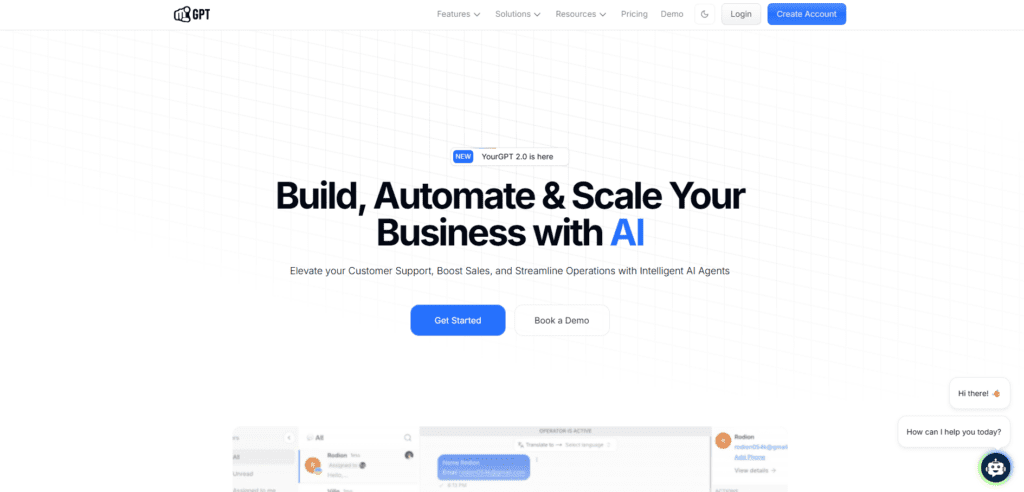
YourGPT 2.0 distinguishes itself as a no-code AI platform for business automation enabling businesses to build custom AI assistants without programming skills. By automating customer support, sales, and marketing tasks, it offers a unified ecosystem allowing businesses to scale operations efficiently.
- Core Capability: Automation across multiple fundamental business processes in a single platform.
- Unique Value: The elimination of coding barriers democratizes AI assistant deployment, accelerating adoption among non-technical users.
- Popularity: Featured across various AI tool roundups signals credible traction, indicating solid user interest and validation within automation communities.
- Implications: For businesses seeking to consolidate AI workloads and avoid vendor fragmentation, YourGPT 2.0 serves as a multi-functional AI automation platform that can reduce overhead associated with multiple specialized tools.
2. Elsie AI — Automation Focused on Solo E-commerce Entrepreneurs
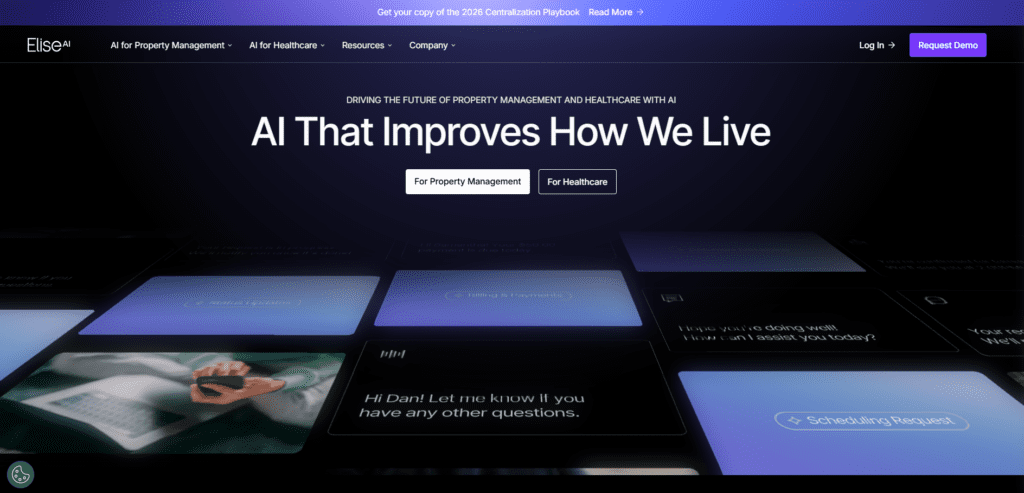
Elsie AI caters specifically to solo e-commerce professionals, emphasizing workflow automation for small e-commerce businesses to boost efficiency and competitiveness.
- Core Capability: Automates repetitive tasks that solo entrepreneurs frequently confront.
- Unique Value: Its niche focus tailors its AI capabilities to the unique scale and demands of small e-commerce operations, which larger platforms might overlook.
- Popularity: Positive mentions in niche AI e-commerce forums suggest it resonates well with its intended audience.
- Implications: Solo entrepreneurs benefit from a lean, effective tool reducing manual workload, enhancing their ability to compete against larger players with bigger teams.
3. ClickUp 4.0 — AI-Enhanced Productivity Suite
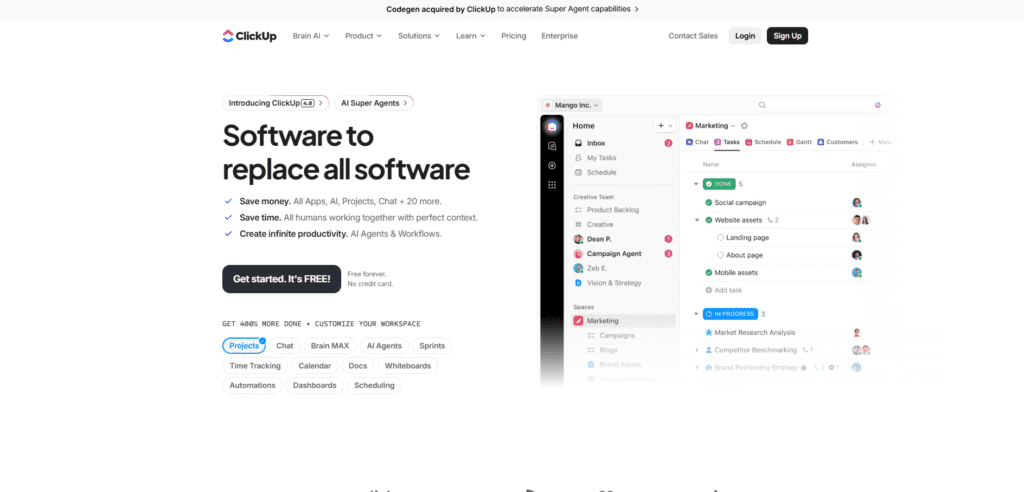
ClickUp 4.0 integrates AI-powered project management, real-time chat, and document collaboration to improve organizational efficiency.
- Core Capability: Provides a unified workspace with AI-driven productivity tools to streamline task tracking, communication, and document workflows.
- Unique Value: Combines multiple team productivity functionalities underpinned by AI agents, avoiding the need for multiple disconnected apps.
- Popularity: Presence in YouTube reviews and productivity tool comparisons reflect recognition among professional audiences.
- Implications: Organizations seeking strong internal collaboration supported by AI will find ClickUp 4.0 valuable. It can replace or augment traditional task management with intelligent assistance.
4. Salesloft AI Suite — AI for Revenue Teams and Sales Acceleration
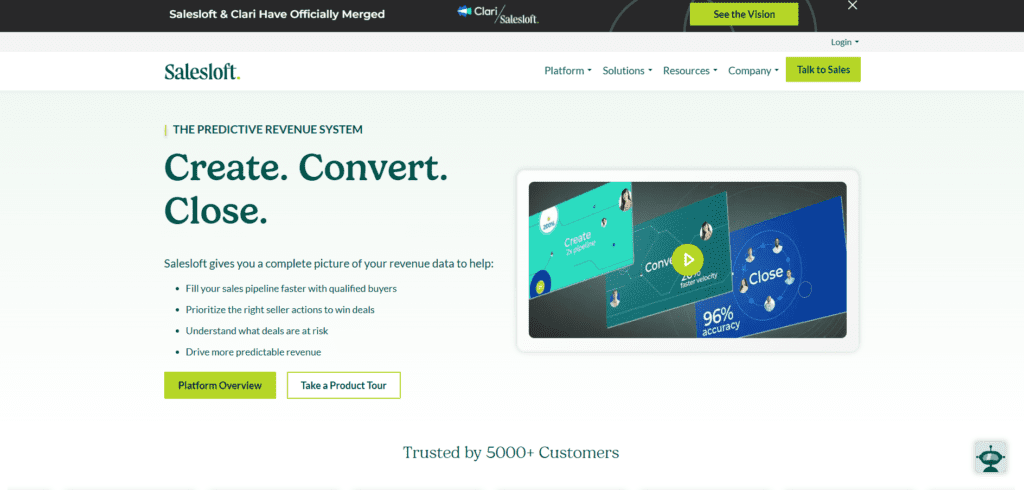
Salesloft AI Suite targets revenue teams, automating sales workflows and providing intelligent insights to help close deals faster.
- Core Capability: Streamlines and speeds up sales processes via AI-powered sales automation and AI-driven recommendations.
- Unique Value: The focus on revenue acceleration by combining task automation with actionable intelligence distinguishes it as a sales-specific AI automation platform.
- Popularity: Trending in sales professional LinkedIn groups underscores its acceptance by sales practitioners looking to advance automation.
- Implications: For sales-driven organizations, adopting Salesloft AI Suite can reduce cycle times, improve pipeline visibility, and increase closure rates through data-driven sales workflow enhancements.
5. Turbotic Automation AI — Natural Language AI for Workflow Automation Without Technical Barriers
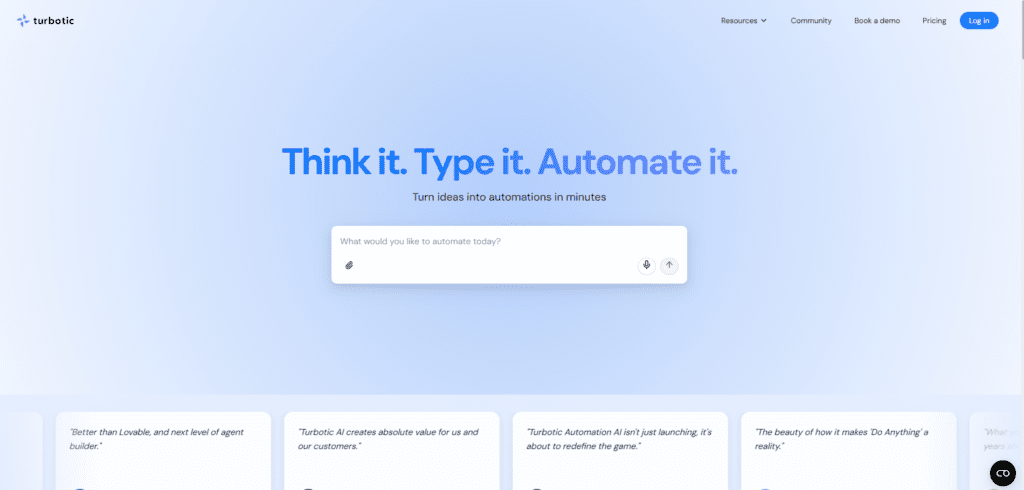
Turbotic uses natural language processing AI to facilitate workflow automation across departments.
- Core Capability: Natural language interface allows users to easily create AI-driven workflows without coding knowledge.
- Unique Value: Its conversational approach to task automation distinguishes it as an accessible platform for non-technical employees.
- Popularity: Emerging discussions on Reddit and tech-oriented startup channels suggest it is gaining attention in innovation-centric communities.
- Implications: Organizations emphasizing inclusivity in AI adoption can leverage Turbotic to empower a broader range of employees to automate tasks, reducing reliance on IT departments.
6. BrandJet AI — AI for Brand Monitoring and Marketing Management
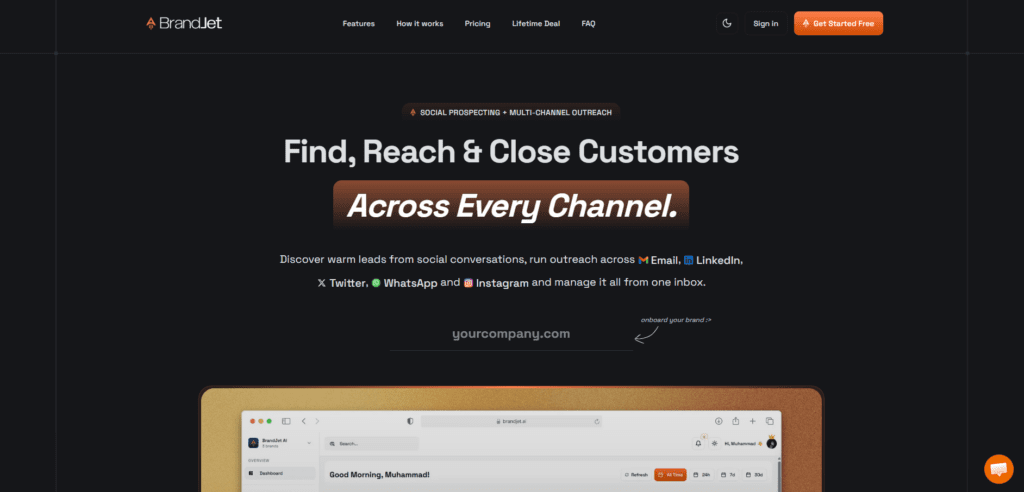
BrandJet AI automates brand engagement tracking and campaign optimization.
- Core Capability: Streamlines brand growth management through AI-driven brand monitoring and marketing automation.
- Unique Value: Combines brand monitoring with marketing management, enabling proactive campaign adjustments.
- Popularity: Buzz in marketing technology forums and Twitter discussions shows relevance among marketing professionals seeking AI-enhanced tools.
- Implications: Marketing teams aiming to tightly couple brand perception data with campaign execution efficiency may find BrandJet AI a comprehensive solution.
7. Kajabi — All-in-One Marketing and Sales Funnel Automation Platform

Kajabi provides an integrated platform automating marketing, sales funnels, and customer relationship management to accelerate business scaling.
- Core Capability: Serves as a scalable revenue engine enabling rapid growth via cohesive automation of marketing and sales pipelines.
- Unique Value: Particularly valuable for entrepreneurs and small businesses aiming for streamlined end-to-end automation.
- Popularity: Strong YouTube presence and small business marketing group endorsements indicate high adoption in those segments.
- Implications: Kajabi suits businesses requiring a single platform for lead capture, nurturing, and conversion, particularly in digital product or content-driven industries.
8. Apollo.io — Automated Lead Generation and Sales Engagement Platform
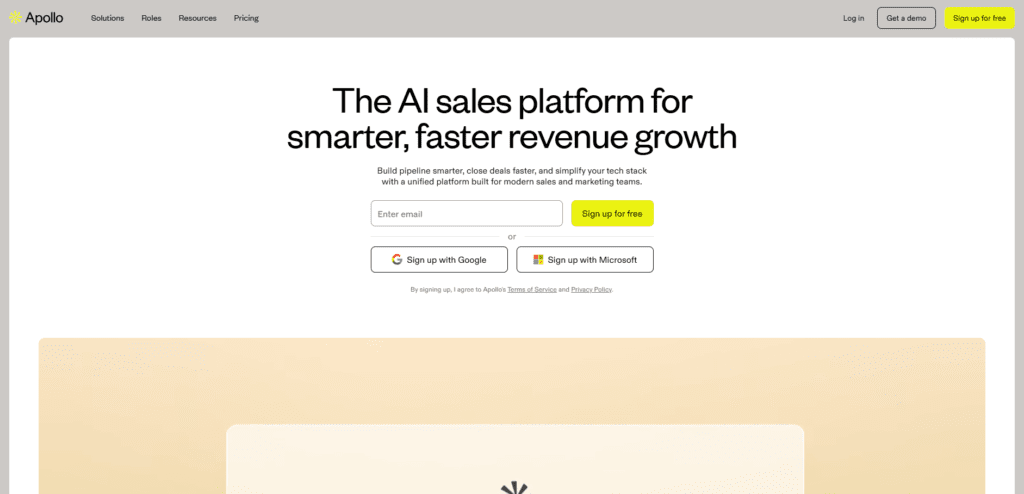
Apollo.io focuses on AI-automated lead generation and managing sales engagement effectively.
- Core Capability: Provides a large automated lead source (“automated lead army”) along with tools to nurture and convert prospects.
- Unique Value: Enhances outreach efforts with automation, improving sales team efficiency without sacrificing personalization.
- Popularity: Widespread discussion on sales and marketing subreddits validates its effectiveness in lead gen strategies.
- Implications: Sales organizations looking to scale prospecting with AI-driven targeting and engagement tools will benefit from Apollo.io’s scalable approach.
9. Klaviyo AI — AI-Driven Personalized Marketing and Customer Retention Automation
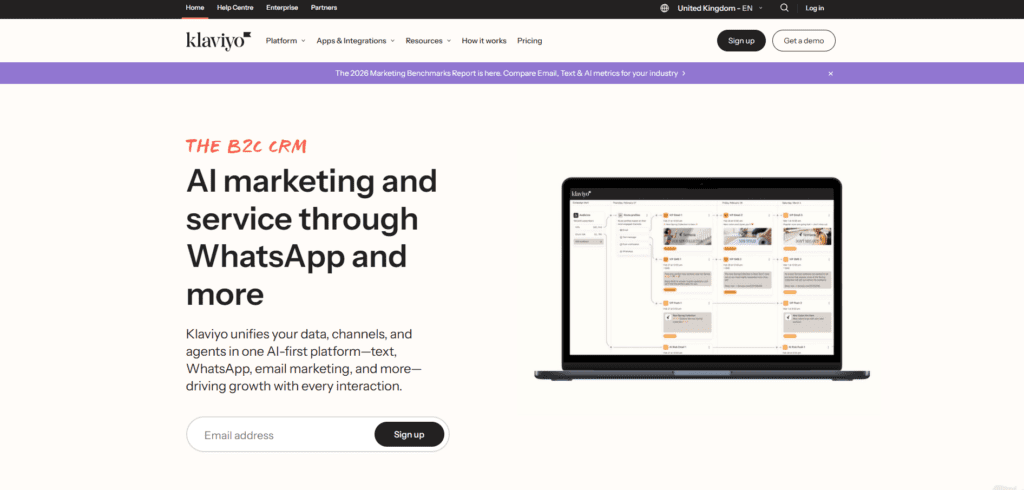
Klaviyo AI optimizes personalized marketing campaigns and automates sales workflows centered on customer retention and growth.
- Core Capability: Advanced AI delivers personalized marketing efforts enhancing customer lifetime value.
- Unique Value: Specifically targets ecommerce and growth-focused marketing, differentiating itself as retention-centric.
- Popularity: Trending in marketing automation and ecommerce forums shows strong alignment with fast-growth businesses.
- Implications: Ecommerce marketers aiming to deepen personalization and automate retention campaigns can leverage Klaviyo AI to boost repeat purchases and customer loyalty.
10. Fireflies.ai — AI-Powered Meeting Transcription and Note-Taking Tool
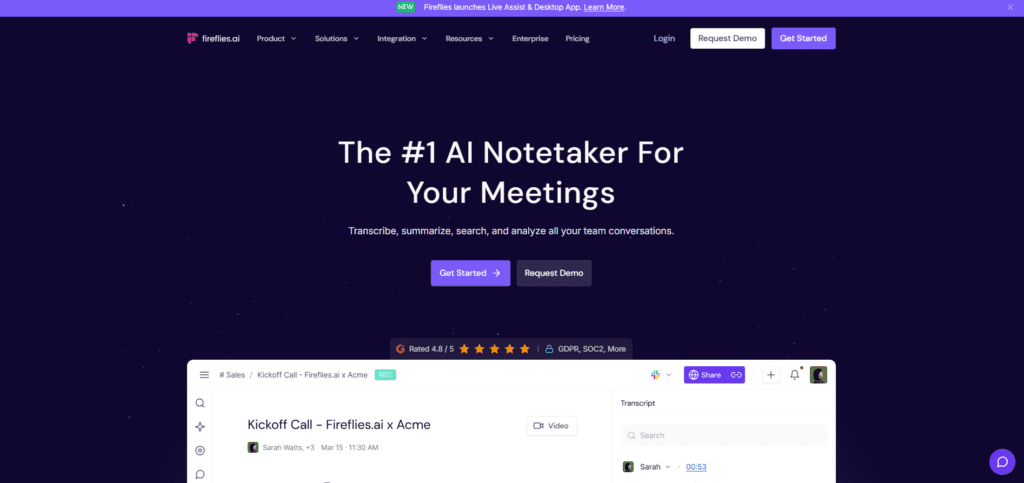
Fireflies.ai automates meeting transcription and note-taking, allowing teams to focus on action items rather than documentation.
- Core Capability: Captures and organizes meeting insights seamlessly to improve follow-up and communication.
- Unique Value: Simplifies internal communication by ensuring no important details are missed or forgotten.
- Popularity: Regularly reviewed in professional software and business productivity forums indicating high utility.
- Implications: Teams with high meeting volumes seeking improved knowledge retention and actionable minutes will find Fireflies.ai highly beneficial.
Comparative Analysis and Strategic Implications
Automation Breadth vs. Specialization:
YourGPT 2.0 and Turbotic provide broad automation options with low-code/no-code accessibility, targeting cross-functional workflows. By contrast, Elsie AI zeroes in on solo e-commerce workflows, and Salesloft AI Suite focuses intensely on sales team automation. Specialized platforms tend to offer more depth in features tailored to niche needs, while generalist platforms offer adaptability across multiple areas.
User Accessibility and Technical Barriers:
No-code platforms like YourGPT 2.0, Turbotic, and Kajabi lower the barrier to AI adoption, broadening user pools within organizations. These platforms democratize AI usage, allowing marketing, sales, and operations teams to implement automation with minimal IT dependency. Fireflies.ai also provides easy-to-use features that integrate transparently into existing meetings, facilitating adoption without technical overhead.
Integration and Workflow Consolidation:
ClickUp 4.0 and Kajabi emphasize unified workspaces that consolidate multiple functions (task management, collaboration, marketing, sales funnels) into single platforms. Such consolidation reduces tool sprawl and improves data coherence, benefiting teams by streamlining workflows and minimizing context switching.
Market Focus and Target Users:
- Solo entrepreneurs: Elsie AI, Kajabi (small business emphasis).
- Sales teams: Salesloft AI Suite, Apollo.io.
- Marketing professionals: BrandJet AI, Klaviyo AI, Kajabi.
- General productivity: ClickUp 4.0, Fireflies.ai, Turbotic.
- Cross-functional enterprise teams: YourGPT 2.0.
Popularity Signals as Indicators of Market Fit:
Each tool’s user discussions, forum presence, and media mentions provide signals of its traction and market fit. Tools trending in specific communities reveal active user bases aligned with the tool’s intended demographic, such as Apollo.io’s presence in lead gen communities or BrandJet AI’s buzz in marketing forums.
Examples of Practical Deployment Scenarios
Scenario 1: E-commerce Solo Founder Using Elsie AI and Klaviyo AI
A solo entrepreneur running an online store can implement Elsie AI to automate inventory updates, order processing, and customer inquiries, saving time on operational tasks. Simultaneously, Klaviyo AI can be employed to personalize email marketing campaigns, automating retention workflows, and learning customer preferences to increase repeat sales.
Scenario 2: Sales Organization Employing Salesloft AI Suite and Apollo.io
A mid-size B2B company looking to accelerate sales cycles can leverage Salesloft AI Suite to automate follow-ups, prioritize leads, and gather actionable sales insights. Apollo.io can augment lead generation by providing large automated prospect lists and tools to engage leads efficiently, ensuring high pipeline throughput.
Scenario 3: Marketing Agency Using BrandJet AI and Kajabi
A digital agency managing multiple brand campaigns can utilize BrandJet AI to monitor brand health and engagement metrics continuously. Concurrently, Kajabi can streamline marketing funnel automation for clients, enabling rapid campaign deployment and CRM integration, supporting scalable client growth.
Scenario 4: Corporate Team Adopting ClickUp 4.0 and Fireflies.ai
An enterprise team coordinating multiple projects can rely on ClickUp 4.0 for centralized task management, chat, and documentation. Fireflies.ai provides automated transcription and meeting notes, ensuring all team members have clear action items and communication continuity even after meetings end.
Limitations and Considerations
- Tool Overlap and Integration Complexities: Many tools offer overlapping functionalities. Organizations need to evaluate integration capabilities to avoid workflow fragmentation or redundant expenditures.
- Target Market Alignment: Adopting specialized tools outside their primary audience might limit effectiveness or require extensive customization.
- User Training and Change Management: While many platforms emphasize no-code or user-friendly interfaces, successful adoption still requires training and adjustment to new workflows.
- Data Privacy and Security: Automated tools handling customer and sales data must comply with relevant data protection regulations, necessitating due diligence during selection.
Conclusion and Next Steps
The AI tools catalog presents a diverse set of AI-powered automation and productivity enhancers tailored for specific business needs and user profiles. Each tool offers concrete value propositions with proven adoption signals in their target markets.
For businesses aiming to harness AI effectively, this overview underscores the importance of:
- Mapping business objectives to tool capabilities and domain focus.
- Prioritizing platforms that match organizational technical capacity and process maturity.
- Considering ecosystems that provide both breadth for multi-functional automation and specialization where needed.
- Leveraging community feedback and popularity signals to validate tool relevance in real-world contexts.
- Planning integration and user-empowerment strategies to maximize AI-driven efficiency gains.
Selecting the optimal AI solution or combination thereof demands careful alignment of business priorities with platform strengths, ensuring sustainable adoption and measurable impact on operations, sales, marketing, and productivity functions.
For more information or to explore specific tools, please visit their websites:
- YourGPT 2.0: https://yourgpt.ai
- Elsie AI: https://eliseai.com/
- ClickUp 4.0: https://clickup.com
- Salesloft AI Suite: https://salesloft.com
- Turbotic Automation AI: https://turbotic.com
- BrandJet AI: https://brandjet.ai
- Kajabi: https://kajabi.com
- Apollo.io: https://apollo.io
- Klaviyo AI: https://klaviyo.com
- Fireflies.ai: https://fireflies.ai